Tree Felling in Temple for Homes, Businesses, and Property Owners
When a tree becomes unsafe, overgrown, storm-damaged, or simply no longer suitable for its location, prompt action matters. Professional tree felling in Temple gives property owners a safe, planned way to remove trees that are creating risk or getting in the way of building work, garden changes, access routes, or long-term property maintenance. Whether you manage a family home, a rental property, a commercial site, or a piece of land that needs clearing, having the right local team makes the process smoother, safer, and far less stressful.
Temple properties vary widely, and that means tree removal needs to be approached with care. Some homes have narrow side access, shared boundaries, or overhead lines nearby. Some business premises have parking areas, delivery routes, or public-facing entrances that cannot be blocked for long. Others sit close to roads, footpaths, sheds, garages, fencing, or outbuildings. A skilled local arborist understands these practical issues and can plan the work to suit the site rather than forcing a one-size-fits-all approach.
If you are comparing options for tree felling Temple residents and businesses can rely on, it helps to know what the service includes, how the work is carried out, what affects cost, and how to prepare. This page is designed to answer those questions in a clear, local way so you can decide whether to request a quote, book an assessment, or arrange urgent help after damage or disease.
Local Tree Felling Services Designed for Temple Properties
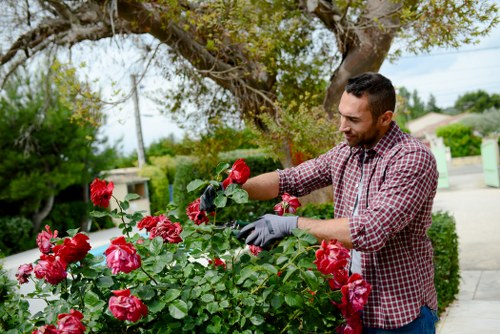
Tree felling is more than cutting a trunk and letting it fall. In a built-up or semi-built-up area, the work often requires careful sectional dismantling, controlled lowering, traffic awareness, and a clear understanding of the site around the tree. That is especially important in Temple, where gardens, driveways, and commercial yards may be tight and where surrounding structures can limit the direction in which a tree can safely come down.
A local team offering tree felling in Temple will typically assess the tree’s condition, lean, height, species, rooting stability, and nearby obstacles before recommending the best method. Sometimes a straightforward fell is possible in an open area. In other cases, the tree must be taken down in sections from the top down to protect buildings, neighbouring gardens, boundary walls, and utility services. Choosing the right method is what reduces risk and keeps the job efficient.
Local knowledge matters because the practical challenges are often site-specific. A tree that looks simple from the roadside may be far more complex once access, overhead obstructions, parked cars, damp ground, or limited storage space for arisings are taken into account. That is why customers in Temple often prefer a local company that can visit, inspect, and provide realistic advice based on the actual property rather than on assumptions.
When tree removal may be the right choice
There are many reasons property owners decide to remove a tree. Some are obvious, such as storm damage or visible decay. Others develop slowly over time. A tree may be lifting paving, crowding out a garden, shedding too much debris, or causing conflict with neighbours because of its spread. In some cases, root systems can interfere with drains, walls, or foundations, making removal the most practical option.
Tree removal can also be the best route if a tree is diseased beyond recovery, dead, unstable, or badly positioned for future plans. If you are preparing for an extension, re-landscaping a garden, improving light levels, or opening up access for vehicles, removing the right tree can transform the usability of the space. In these situations, good advice is just as important as the physical removal itself.
For many customers, the aim is not simply to cut down a tree but to solve a property problem safely and with minimal disruption. That is why a trusted service for Temple tree felling should focus on assessment, method, clean-up, and practical next steps such as stump work or waste removal.
What Our Tree Felling Service Includes

Clients often want to know exactly what happens when they book a tree felling service. While every site is different, a professional visit usually includes more than just the cut itself. The aim is to provide a complete, well-managed solution that leaves the area safe and ready for whatever comes next.
Typical service elements include:
- Initial inspection of the tree and surrounding area
- Advice on the safest removal method
- Planning for access, equipment, and protection of nearby features
- Controlled felling or sectional dismantling
- Cutting down branches and trunk into manageable pieces
- Clearing timber, brash, and debris from the site
- Optional stump grinding or stump removal if required
- Discussion of aftercare or replanting options where relevant
For local homeowners, this can mean a tidy, efficient service that avoids damage to lawns, fences, or garden structures. For commercial customers, it can mean work scheduled to reduce disruption to staff, customers, or delivery schedules. In both cases, the benefit of a professional team is not only safety but also organisation. The job is done with a plan, not guesswork.
Controlled tree removal is particularly important in areas where a tree is close to a roofline, a garage, a conservatory, or a neighbour’s boundary. In those situations, the difference between a simple fell and a section-by-section dismantle can be significant. A reliable provider will explain the process clearly so you know what will happen and why.
Additional support often requested by customers
Many property owners choose to combine felling with other tree care tasks. This can save time and help tidy up the site in one visit. Common additions include crown reduction on nearby trees, hedge work, pruning, deadwood removal, and stump grinding. If you have several outdoor jobs lined up, it may be worth discussing them together so the work can be planned efficiently.
Some customers also need advice on tree preservation matters, boundary considerations, or whether a tree is causing obstruction to light or access. Even if the final decision is not immediate felling, a local arborist can help you understand the practical options and what each one means for the property.
Why Temple Property Owners Choose a Local Tree Felling Team
There is real value in choosing a local company for tree felling in Temple. Local teams are more likely to understand the roads, the common access constraints, the types of properties in the area, and the practical realities of parking a work vehicle or positioning equipment without causing unnecessary inconvenience.
Temple includes a mix of residential settings and business premises, and each comes with different needs. Homeowners may need a discreet approach that protects gardens and neighbours. Landlords may need fast removal for safety or tenancy turnaround. Commercial clients may need work outside peak hours or in a way that keeps pedestrian routes open. A local service can respond with that flexibility much more easily than a distant contractor unfamiliar with the area.
Temple tree felling is also easier to arrange when the team knows how to work around local conditions such as narrow driveways, tight turning space, soft ground after wet weather, or trees positioned near boundary hedges and outbuildings. That sort of experience can make a noticeable difference to how smoothly the job runs from start to finish.
Common property types and site challenges
Different parts of Temple present different tree removal challenges. Some gardens have mature trees that have outgrown the space. Others may have planted conifers or broadleaf trees that now sit too close to homes. Commercial sites may include car parks, service areas, or fenced storage yards where a falling branch could cause expensive damage if the job is not carefully controlled.
Access can be one of the biggest issues. If equipment cannot be brought close to the tree, the work may take longer and require more manual handling. Parking restrictions, shared entrances, and the need to avoid blocking neighbours or customers all affect planning. A local arborist will factor these points into the method statement and quote rather than treating them as afterthoughts.
Another common issue is debris management. Larger trees can produce significant amounts of timber and green waste. Good planning ensures there is enough space for processing, loading, and removal without creating a mess on site or leaving the customer with more work than expected.
Practical benefits of using an experienced local crew
When you use a team that regularly works in and around Temple, you are more likely to get advice that fits your site and your timetable. That can mean faster surveys, more realistic scheduling, better communication, and fewer surprises on the day. It also means the team is more prepared for the kinds of local access issues that often affect residential streets, side roads, and mixed-use properties.
Most customers simply want the tree removed safely, the area left tidy, and the disruption kept low. A good local service is built around those priorities.
How the Tree Felling Process Works

The process begins with an inspection. This is where the arborist looks at the tree’s size, species, condition, lean, root stability, and location in relation to buildings, fences, vehicles, overhead lines, and other trees. From there, the team decides whether the tree can be felled in one piece or whether a controlled dismantle is safer.
If the tree is in an open area with plenty of space, the operation may be fairly straightforward. If it is near a building or in a confined garden, sections may need to be removed systematically using ropes and careful lowering methods. This is common in residential streets and commercial yards alike, where a full free-fall is not practical or safe.
Once the plan is agreed, the crew sets up the site, identifies hazards, and begins the removal. Good practice includes securing the area, using appropriate equipment, and ensuring that no unnecessary risk is placed on nearby structures or people. After the tree is down, the timber is cut into workable lengths and the site is cleared according to the agreed scope of work.
What a customer can expect on the day
Customers often appreciate knowing what the day will feel like, especially if they are remaining at home or operating a business nearby. In most cases, the team will arrive with the necessary tools and equipment, carry out final checks, and confirm the access route and working area before starting. You may be asked to move vehicles, open gates, or ensure that pets and children are kept away from the working zone.
During the job, the site can become noisy and busy, particularly if branches are being cut and timber is being processed. This is normal, but it should still be managed professionally and efficiently. A skilled team keeps the work organised, communicates clearly, and aims to reduce disruption to neighbours and passers-by as much as possible.
At the end of the job, many customers ask for the arisings to be removed. Others want some timber left for firewood or reuse. Either way, the final site condition should be discussed before work starts so the outcome matches your expectations.
Optional stump and site finish services
Once a tree has been felled, the stump remains unless it is removed separately. Some property owners are happy to leave it in place, particularly if they plan to use the area for planting or if the stump is in a low-visibility location. Others prefer stump grinding to reclaim space, reduce trip hazards, or prepare for turfing, paving, or replanting.
It is often sensible to consider the stump at the same time as the main removal. That way, the property is left in a condition that suits the next phase of work. If you are planning landscaping or construction, this can save time later.
Pricing Factors for Tree Felling in Temple
Customers naturally want to understand what affects the cost of tree removal. While exact prices are not fixed without a site visit, there are clear factors that shape the quote. Knowing them helps you compare services fairly and understand why two jobs that look similar may be priced differently.
Key pricing factors include:
- Tree height, spread, and overall size
- Species and timber density
- Condition of the tree, including decay or storm damage
- Ease of access to the tree
- Need for sectional dismantling versus a simple fell
- Proximity to buildings, fences, roads, lines, or vehicles
- Amount of waste to be removed
- Whether stump grinding or additional garden work is included
- Site restrictions that affect equipment placement or labour time
For example, a tree in an open rural-style space may be simpler to remove than one tucked between homes with limited side access. Likewise, a dead tree that is unstable may require more cautious handling than a healthy one. These differences are normal, which is why a proper inspection matters before any work begins.
Transparent quoting should explain what is included, what is optional, and what might change if the site conditions differ from the initial description. Customers appreciate clarity because it helps them budget confidently and avoid misunderstandings.
How to get the best value from your quote
To help an arborist provide the most accurate quotation, give as much practical detail as possible when you enquire. Mention the tree’s location, whether access is shared or restricted, if there are nearby structures, and whether you need waste removed. Photos can also help, though they do not replace a site visit for more complex jobs.
If you have several trees to deal with, ask whether they can be assessed together. Bundling work can sometimes improve efficiency, particularly where the crew is already on site with the necessary equipment. It also helps if you need a mix of felling, pruning, or stump work completed in one visit.
Preparation Checklist Before Tree Felling Starts
Preparing your property before the crew arrives helps the job run safely and efficiently. It also reduces the chance of delays or accidental damage. The exact preparation will depend on the location of the tree and the access available, but a simple checklist is often enough to get started.
Consider the following:
- Move vehicles away from the working area if requested.
- Clear garden furniture, ornaments, washing lines, and fragile items.
- Make sure gates, side entrances, and access routes are unlocked or available.
- Keep pets and children indoors or away from the work zone.
- Inform neighbours if the tree is close to a shared boundary and noise or access may affect them.
- Identify any underground features, such as irrigation lines or drains, if relevant and known.
- Confirm in advance whether timber, branches, and stump material should be removed or left on site.
For commercial premises, additional preparation may include notifying staff, marking out parking spaces, and planning how customers or deliveries will enter the site during the work. A little forward planning can make a big difference to how smoothly the day goes.
Good preparation supports a safer, quicker job, and it also helps the crew focus on the technical work rather than spending time moving obstacles that could have been cleared beforehand.
When urgent tree felling may be needed
Sometimes tree removal is not planned weeks in advance. Strong winds, heavy rain, lightning, or sudden signs of structural failure can create an immediate need for action. A split trunk, a leaning tree after a storm, or large hanging branches may pose a risk to people, vehicles, or buildings. In these cases, prompt professional attention is important.
If you are dealing with a tree that looks unstable or has already dropped limbs, avoid standing beneath it or attempting DIY removal. Contact a qualified local team to assess the danger and advise on the safest next step. Urgent work often requires careful coordination, especially if the tree is near a public route, driveway, or roofline.
Areas Covered Around Temple
Customers looking for tree felling in Temple often need a service that also covers the surrounding local area. That matters because trees do not stop at one boundary, and many jobs involve travel across nearby neighbourhoods for residential and commercial sites, roadside work, and private land.
Areas commonly served may include nearby parts of the wider local area, including:
- Temple residential streets and estates
- Nearby villages and hamlets in the surrounding district
- Rural properties and farm access routes
- Commercial yards and workshops
- Schools, offices, care premises, and managed sites
- New-build developments and established housing areas
If your property sits slightly outside the main village area, it is still worth asking. Local tree teams often work across a wider service radius and can advise whether the job is suitable for the equipment and access available. The key is to provide the location details clearly when you request a quote.
Temple’s mix of property types means that one job may be a small garden tree in a tight residential plot while another may be a larger site clearance or a safety-led removal near a business entrance. A flexible local service is better placed to handle both.
Residential and commercial customers welcome
Homeowners often need help with trees that are shading rooms, damaging lawns, interfering with fences, or becoming too large for the space. Landlords may need to keep rental properties safe and presentable. Business owners may need removal carried out without disrupting customers or staff. Each customer type has different priorities, and a good local arborist should be ready to work accordingly.
That is one reason local tree removal is so valuable: it is tailored to the property, the schedule, and the practical realities of the site.
Why Tree Felling Is Sometimes Better Than Repeated Pruning
Many customers ask whether pruning or reduction might be enough. In some cases, it is. But there are situations where repeated trimming is only a temporary fix and does not solve the core problem. If a tree is unsuitable for the location, is structurally compromised, or continues to create damage, then removal may be the more sensible long-term option.
A tree that is consistently outgrowing its space can become expensive to manage year after year. Likewise, a diseased or dead tree may present an ongoing safety concern. Instead of spending time and money maintaining a tree that no longer serves the property well, removal can create a cleaner and more usable space for the future.
That said, a professional will not recommend felling unless it is genuinely appropriate. Sometimes a lighter pruning solution, crown thinning, or selective branch removal is enough. A responsible service in Temple should always discuss alternatives where they are available and explain why removal is or is not the right choice.
What to do after the tree is removed
Once the tree has been felled, think about what you want the space to become. Some owners choose to replant with a smaller, better-suited species. Others want open ground for turf, planting beds, a patio, or extended parking. In commercial settings, the cleared area might be used to improve access, safety, visibility, or site layout.
If you are unsure what to do next, ask about stump grinding, soil preparation, and whether the remaining space will be suitable for immediate re-use. Planning for the end result before the job starts can help avoid extra work later.
Frequently Asked Questions
Do I need permission to remove a tree?
Sometimes, yes. Certain trees may be protected, or there may be local restrictions in place. A professional should check whether any permissions or notices are needed before work begins.
Can every tree be felled in one piece?
No. Many trees in Temple need to be taken down in sections because of limited space, nearby buildings, or access limitations. The method depends on the site and the tree’s condition.
Will the work damage my garden or driveway?
A careful team will plan the job to minimise damage, but the level of disturbance depends on access, ground conditions, and the size of the tree. Protective measures may be used where suitable.
What happens to the wood and branches?
This should be agreed in advance. Some customers want full removal, while others prefer to keep timber for firewood or leave some material on site.
Can you help with a tree that has fallen partially after a storm?
Yes, emergency or urgent tree work is often required after severe weather. If the tree is unstable, keep clear of the area and arrange a professional assessment.
Is stump removal included?
Not always. Stump grinding or stump removal is often offered as an additional service, depending on the setup and the outcome you want.
How quickly can work be arranged?
Availability depends on demand, the complexity of the job, and weather conditions. If the tree poses an immediate hazard, make that clear when you enquire so the situation can be prioritised appropriately.
Can you work near neighbours or shared boundaries?
Yes, but the method may need to be adjusted. Boundary work often requires extra care, communication, and planning to protect adjacent properties.
Book Tree Felling in Temple with Confidence
If you need a tree removed from a home, business, rental property, or private site, the safest next step is to speak with a local arborist who can assess the tree properly and explain the best approach. From open-site felling to careful sectional dismantling, the right service should be tailored to your property and your priorities.
Professional tree felling in Temple is about more than cutting down a tree. It is about protecting nearby structures, reducing disruption, dealing with access and parking challenges, and leaving the site in a tidy, usable condition. That is what customers need when they are ready to clear a problem tree and move forward with confidence.
Contact us today to request a free quote, discuss your site, or arrange a visit. If you already know the tree needs to come down, book your service now and get the process underway with a local team that understands the area and the practical demands of the job.
Whether the tree is large, awkwardly positioned, storm-damaged, or simply in the way of your next project, a reliable local service can help you handle it safely and efficiently. Request a free quote today and take the first step toward a safer, clearer property.